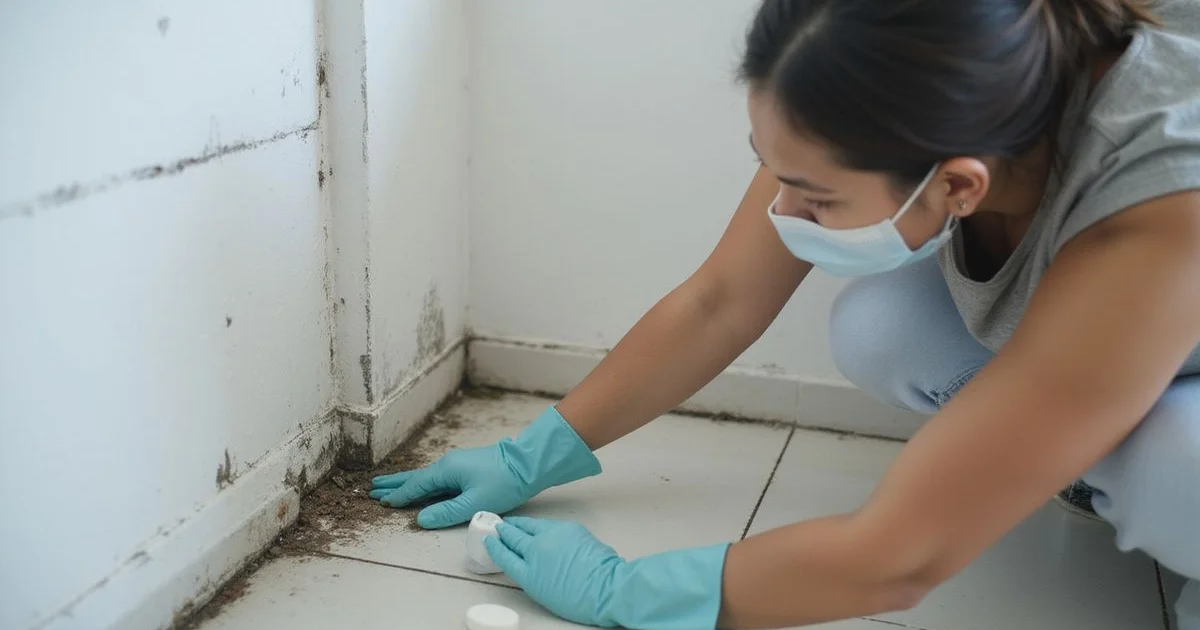
Preventing mould dust mites home issues is an ongoing battle in our climate. You already know complete elimination is impossible here in Malaysia. The real goal is keeping these triggers well below the threshold where they cause visible damage or health problems.
We handle this daily for clients. This guide breaks down exactly how to manage it. For the professional side of this work, check out our guide to deep cleaning. If you need specific soft-furnishing treatments, see our details on sofa, mattress and upholstery cleaning.
Why Malaysia is harder than most climates
Three environmental factors compound to make mould prevention malaysia efforts extremely difficult. High humidity, constant warmth, and abundant soft furnishings create a perfect breeding ground. Our teams see this dynamic constantly in local properties.
1. High humidity
Persistent 70% to 90% relative humidity means surfaces stay moist for long periods after bathing or rain.
Our data shows mould spores germinate in just 24 to 48 hours under these warm, damp conditions.
Dust mites thrive at exactly these humidity levels. They require at least 65% ambient moisture to survive.
2. Warm temperatures
Indoor temperatures usually sit between 25°C and 30°C. We notice this heat acts as a powerful incubator when the air-conditioning is off. This climate accelerates microbial growth across several specific temperature zones:
- 20°C to 25°C: Optimal range for rapid dust mite reproduction.
- 25°C to 30°C: Prime conditions for mould spore germination on surfaces.
3. Soft furnishing exposure
Sofas, thick mattresses, heavy carpets, and curtains absorb moisture straight from the air. These soft materials stay moist much longer than solid hard surfaces.
Our technicians frequently find them acting as deep reservoirs for microscopic pests. They provide a constant, hidden water source for both mould and mites.
High-risk areas in KL homes
These specific zones require your immediate attention to manage the dust mites kuala lumpur properties struggle with most. Bathrooms, closed cabinets, and hidden spaces trap the highest levels of moisture. We consider these spaces the primary battlegrounds for home hygiene.
Bathrooms (highest risk)
The bathroom represents the highest risk area in any home. Daily water usage creates a persistent, high-humidity microclimate.
- Porous tile grout and degraded silicone sealant around fixtures.
- Hidden gaps behind the toilet and the base of the bowl.
- Inside overlapping shower screens and the bath plug area.
- Tight spaces behind taps and showerheads.
- The ceiling directly above the shower where hot steam naturally rises.
Wardrobes and cabinets
These closed spaces trap stagnant, moist air perfectly.
- Units placed directly against cooler, external concrete walls.
- Built-in cabinets lacking proper ventilation or louvered doors.
- Drawers where slightly damp clothes are accidentally stored.
Behind and around furniture
Airflow stops completely behind heavy items. We often see severe black mould growth hidden right behind beautiful headboards.
- The backs of large sofas pushed flush against walls.
- Dark spaces under beds and behind fabric bedheads.
- The narrow gaps behind tall wardrobes.
- Areas behind appliances in damp zones like kitchens or laundry rooms.
Air-con related
Your cooling units can actually distribute problems if neglected. We find massive spore buildup inside poorly maintained systems.
- Internal drip trays that hold stagnant water.
- Wall areas immediately around the unit prone to condensation.
- The exterior casing which collects a thick mix of dust and moisture.
- Dirty filters that serve as a massive dust mite breeding ground.
Ceiling
Warm, moist air naturally rises to the highest points in your rooms.
- Corners near aircon vents where cold and warm air meet.
- Sections right above bathroom doors exposed to escaping steam.
- Any cold structural spots where ceiling condensation regularly forms.
Prevention habits that work
Consistent routines provide the only reliable defense against indoor allergens. Our experts recommend breaking these preventative tasks down by frequency. Establishing a schedule makes maintenance highly manageable.
Daily/weekly
Daily actions stop moisture from accumulating in the first place.
- Ventilate bathrooms immediately after showering by opening a window or running an extractor fan for 15 minutes.
- Wipe down shower screens after use with a squeegee or microfibre cloth.
- Open windows briefly when weather allows to cycle out humid interior air.
- Run your air-con in ‘Dry’ or dehumidify mode during high-humidity monsoon days.
- Dry all damp items immediately, including towels, swimwear, and laundry.
Weekly to monthly
Weekly and monthly habits target the early stages of pest reproduction. We suggest setting a recurring calendar reminder for these chores.
- Vacuum mattress surfaces using a high-efficiency HEPA attachment.
- Wash all bedsheets in hot water above 60°C to effectively kill dust mites.
- Wipe the inside of wardrobes monthly, paying special attention to external walls.
- Check the hidden areas behind furniture for early moisture or spotting.
- Clean your air-con filters exactly as the manufacturer specifies.
Quarterly
Quarterly tasks require more effort but completely reset your home’s baseline.
- Schedule a professional deep clean to tackle grout, sealant, and areas behind heavy furniture.
- Book hot-water extraction for soft furnishings every six months, or quarterly if you suffer from allergies.
- Arrange full aircon servicing to clear the internal drip tray and cooling coils.
What deep cleaning addresses
A targeted deep clean hits the hidden reservoirs that daily habits miss. We use specialized equipment to reach areas regular household vacuums simply cannot touch. This thorough approach directly targets the most persistent problem areas.
- Bathroom mould treatment targeting porous grout, failing sealant, and hidden corners.
- Behind-furniture access to reach the isolated spots accessible only by moving heavy pieces.
- Wardrobe interior cleanup that includes thorough against-external-wall checks.
- Aircon exterior detailing, including accessible drip tray cleaning.
- Hot extraction of soft furnishings like fabric sofas, thick mattresses, and curtains.
- High-level surfaces including ceiling fans and light fittings where condensation collects.
This level of professional intervention fully addresses the reservoirs you cannot reach alone.
Signs you have a problem
Your home will give you clear physical signals when allergen levels get too high. We tell property managers in Mont Kiara to watch for these exact indicators during inspections. Catching these early prevents expensive remediation later.
Mould warning signs
Visual and olfactory clues usually appear before major structural damage occurs.
- Visible dark green or black spots appearing on grout, sealant, and ceilings.
- A distinct, musty odour lingering in a specific room, especially inside closed wardrobes.
- Plaster walls or solid surfaces feeling consistently damp to the touch.
- Unexplained discoloration showing up on otherwise clean, light-colored surfaces.
- Persistent allergic symptoms like sneezing or watery eyes that only happen at home.
Dust mite warning signs
Because mites are microscopic, you must rely on physical reactions and dust patterns. Our allergy-sensitive clients usually report these symptoms first.
- Unexplained skin or eye irritation specifically in the morning, since mites concentrate in beds.
- Asthma flare-ups that trigger overnight or immediately after sitting on fabric furniture.
- A heavy, stuffy feeling noticeable in carpeted rooms.
- Rapid dust accumulation on hard surfaces despite your regular vacuuming schedule.
When professional intervention is needed
Routine DIY care works well for basic, daily prevention. You should bring in professionals when you hit critical contamination limits. We step in when the situation exceeds standard household cleaning supplies.
- Mould has spread visibly across large sections of walls or ceilings.
- Allergies remain persistent and severe despite thorough home cleaning.
- Expensive soft furnishings develop visible dark staining or a permanent musty odour.
- Major behind-furniture or under-bed cleaning is completely overdue.
- You recently experienced a humidity-related issue like a roof leak or ceiling drip that needs follow-up.
WhatsApp us if any of these situations apply to your property. We will provide a quote for a deep clean targeting your specific concern.
Long-term strategy
Serious control requires a layered, consistent approach to humidity management. Our most successful clients combine hardware solutions with scheduled maintenance. Implement these steps to protect your property investment permanently.
- Aggressive ventilation by opening windows daily where the weather and air quality allow.
- Dedicated dehumidifiers placed in high-risk rooms like master bedrooms and walk-in wardrobes.
- Smart cooling habits, such as running regular aircon units in dehumidify or dry mode.
- Strategic flooring choices, opting for hard floors over carpet where possible.
- Quarterly professional deep cleaning that includes all your heavy soft furnishings.
- Annual aircon servicing to ensure professionals clear out internal dust and standing water.
This specific combination keeps your home well within healthy ranges. Even in Kuala Lumpur’s extreme humidity, you can maintain excellent indoor air quality. Start by assessing your current ventilation habits today, or contact our team to establish a clean baseline.